National Overview
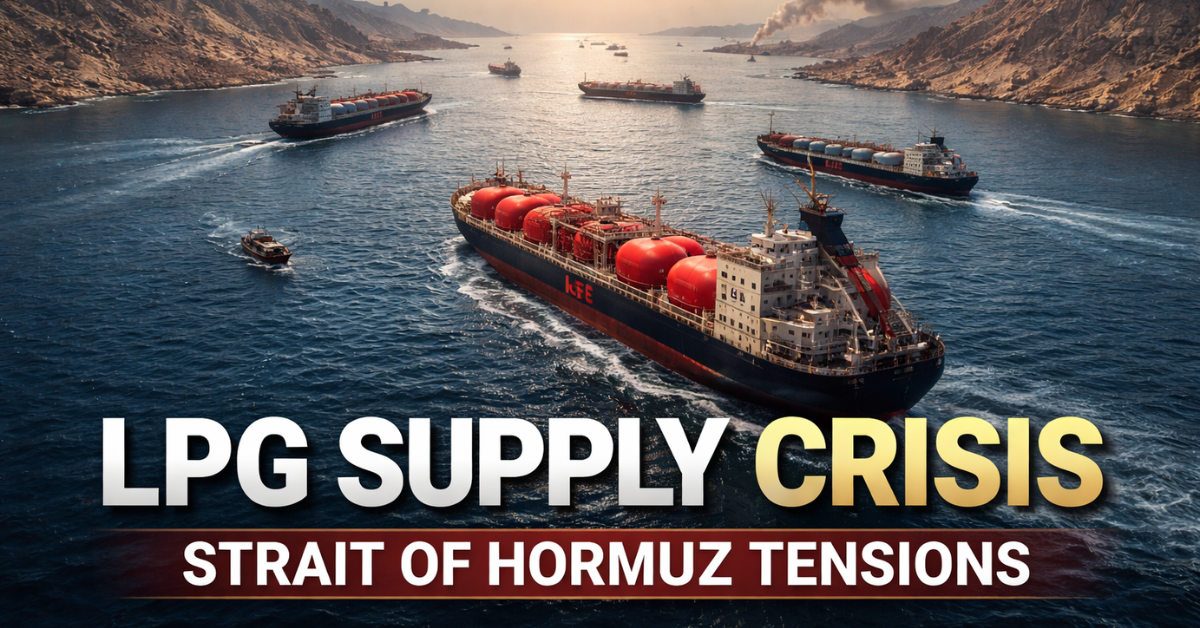
- Commercial LPG supplies in several Indian cities have tightened in March 2026 following shipping disruptions linked to tensions around the Strait of Hormuz.
- Restaurants, street vendors, and catering businesses report difficulty obtaining 19-kg commercial cylinders in cities such as Mumbai, Chennai, Bengaluru, and Delhi.
- Household LPG supply remains largely stable as the government prioritizes domestic cylinders in distribution, despite the ongoing India LPG crisis.
- Authorities have directed refineries to maximize output and warned against hoarding under the Essential Commodities Act.
- Demand for electric induction stoves has increased as some businesses and households prepare for possible gas shortages.
Commercial LPG Supply Tightens in Several Cities
India is experiencing localized disruptions in the supply of commercial liquefied petroleum gas during March 2026, particularly affecting restaurants, small eateries, catering services, and street food vendors. The supply pressure has been reported in several large cities including Mumbai, Chennai, Bengaluru, Delhi, and Pune.
The disruption mainly involves the 19-kilogram commercial LPG shortage widely used by restaurants and food businesses. Many establishments have reported delays in deliveries or difficulty securing new cylinders from distributors. In some locations, eateries have reduced cooking hours, simplified menus, or temporarily closed kitchens until supplies improve.
Small street vendors are among the most vulnerable groups because they depend on frequent cylinder refills and typically maintain limited backup fuel.
Strait of Hormuz Tensions Disrupt Global Energy Shipping
The tightening of supplies coincides with heightened geopolitical tensions in Supply controls West Asia that have affected shipping routes through the Strait of Hormuz. The narrow maritime passage between Iran and Oman is one of the most important global energy corridors.
A large share of India’s imported LPG travels through this route. India imports a substantial portion of its LPG consumption, and the majority of those imports arrive from Gulf producers such as Saudi Arabia, Qatar, and the United Arab Emirates. Delays in vessel movements and higher security risks in the strait have slowed some shipments bound for Indian ports.
Even temporary disruptions in shipping can affect India’s supply chain because LPG imports form an important part of the country’s cooking fuel system.
Household Supply Remains Stable
Despite the pressure on commercial cylinders, officials state that domestic LPG supply for households remains largely stable. Oil marketing companies have prioritized the distribution of residential cylinders to ensure uninterrupted access for home cooking.
Government agencies say the country’s existing LPG reserves and domestic production capacity are currently sufficient to maintain household deliveries while import shipments face delays.
Government Steps to Manage Supply
The central government has directed refineries and LPG bottling plants to operate at high utilization levels in order to increase domestic LPG production. Additional output is being directed primarily toward residential consumers and essential services.
Essential institutions such as hospitals, public kitchens, and railway catering units are receiving priority allocation of commercial cylinders where required.
Authorities have also warned that hoarding or illegal resale of LPG cylinders could trigger enforcement action under the Essential Commodities Act.
Rising Prices and Market Adjustments
LPG prices were revised earlier in March 2026, with commercial cylinder prices increasing across major cities. The price adjustments reflect global energy market conditions and higher supply risks linked to the regional conflict.
Some local markets have reported unofficial resale of cylinders at higher prices as businesses compete for limited supply. Officials have begun monitoring distributors and markets to prevent hoarding and illegal trading.
Shift Toward Alternative Cooking Equipment
Concerns about gas availability have also led to changes in consumer behavior. Retailers in several cities report a sharp increase in demand for electric induction stoves and other electric cooking appliances.
Restaurants and small kitchens have begun experimenting with hybrid cooking setups that combine LPG with electric equipment in order to reduce dependence on gas cylinders.
Current Situation
As of mid-March 2026, India’s LPG distribution network remains operational, though commercial users in some cities continue to experience supply pressure. Household deliveries continue largely on schedule due to priority allocation.
The duration of the disruption will depend on how quickly shipping traffic through the Strait of Hormuz stabilizes. Energy shipments continue to move toward Indian ports, but delays in the maritime corridor remain a key factor affecting short-term supply conditions.