


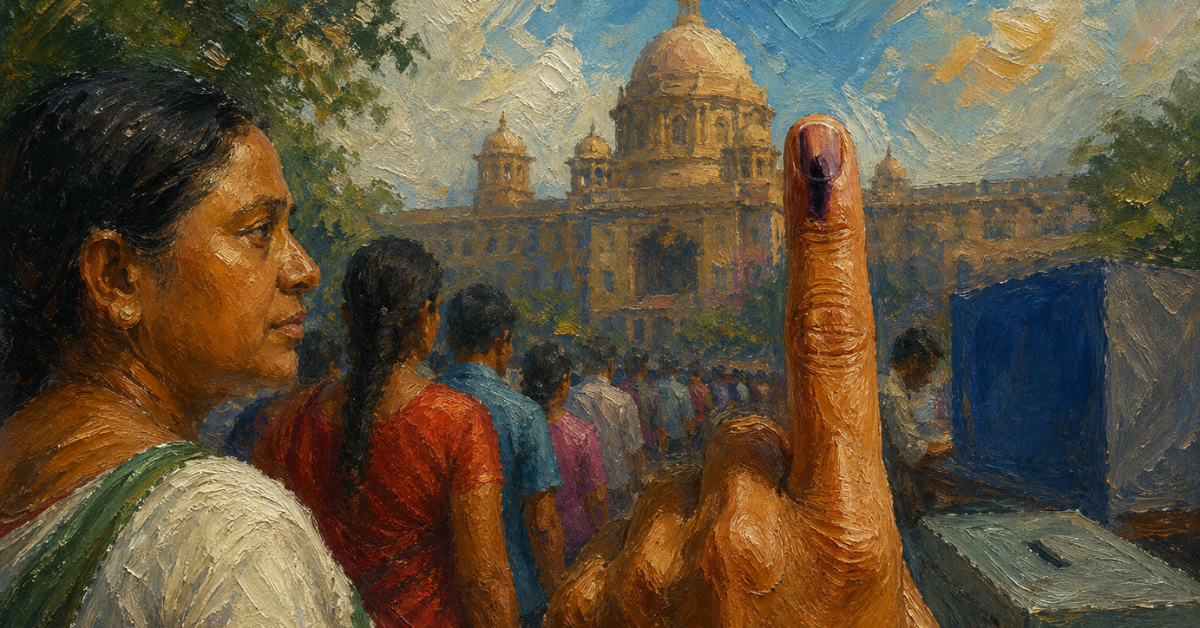
Record turnout marks first phase of Bengal vote as contest sharpens
- Phase 1 of the 2026 West Bengal Assembly election recorded 92.03% turnout, according to the Election Commission
- Polling covered 152 constituencies, with the highest participation reported in Dakshin Dinajpur
- Election authorities reported isolated incidents of violence in parts of the state
- Phase 2 voting for 142 seats, including Kolkata, is scheduled for April 29
- The contest remains centered on TMC and BJP, with Left and Congress attempting a revival
The first phase of voting in the 2026 West Bengal Assembly elections drew a turnout of 92.03 percent across 152 constituencies, according to the Election Commission of India, in what officials described as the highest participation recorded in the state since 1951. The remaining 142 constituencies are scheduled to vote on April 29, with counting set for May 4.
The opening phase was concentrated in North Bengal, where district-level figures released by the Commission showed turnout nearing saturation in several areas. Dakshin Dinajpur recorded 94.98 percent polling, followed by Cooch Behar at 94.75 percent and Birbhum at 93.88 percent. The figures remain provisional and may be revised after final reconciliation, the Commission said.
| Stage | Date | Constituencies | Status |
|---|---|---|---|
| Phase 1 | April 23, 2026 | 152 | Completed |
| Phase 2 | April 29, 2026 | 142 | Upcoming |
| Counting Day | May 4, 2026 | All 294 | Upcoming |
Election authorities said they deployed CCTV monitoring across 44,378 polling stations in an effort to ensure transparency. While officials characterized voting as largely peaceful, reports from agencies including Press Trust of India and regional media outlets indicated sporadic disruptions.
In Dakshin Dinajpur, BJP candidate Subhendu Sarkar was allegedly chased and assaulted while visiting a polling location in Kumarganj, according to reports cited by Press Trust of India. The full circumstances of the incident could not be independently verified.
In Murshidabad district, clashes were reported between Trinamool Congress supporters and police following the arrival of Aam Janata Unnayan Party founder Humayun Kabir. The Election Commission said it has sought a detailed report after allegations surfaced that some voters in the Domkal area were prevented from casting ballots.
The election, which will determine the composition of the 294-member assembly, is widely seen as a direct contest between the ruling Trinamool Congress, led by Chief Minister Mamata Banerjee, and the Bharatiya Janata Party, which has sought to expand its footprint in the state after emerging as the principal opposition in 2021.
Prime Minister Narendra Modi and other senior BJP leaders have framed the campaign around governance and law-and-order concerns, citing recent controversies in areas such as Sandeshkhali and Murshidabad. The Trinamool Congress, in turn, has emphasized welfare delivery and regional identity in its outreach to voters.
The Congress and Left Front, once dominant in the state, are contesting independently of the Trinamool Congress despite broader national-level alliances. Both parties are attempting to recover electoral ground, though their impact on the final outcome remains uncertain.
Prior to the election, the Election Commission conducted a four-month Special Intensive Revision of electoral rolls, resulting in an estimated 12 percent reduction in registered voters. The Commission has not released detailed public explanations for the decline.
The second phase of voting will cover constituencies in and around Kolkata, where turnout patterns have historically differed from the rural districts that voted in the first round. It remains unclear how the high participation in Phase 1 will translate into seat outcomes.
Final turnout figures, detailed incident reports, and the broader electoral impact of the revised voter rolls are expected to become clearer only after the completion of polling and subsequent counting.